
Hue Dash Reflex
Review
Hue Dash Reflex succeeds by focusing on a single, well-executed mechanic: matching your character's color to oncoming walls. The game's strength lies in its purity. There are no power-ups, no distractions, just you and the increasing pace. The clean, bright visuals ensure you never misread a color, and the progressive difficulty curve keeps you coming back for one more try. It is a perfect example of how a simple concept, when polished, can provide hours of engaging play. The lack of complex features is a virtue here, making it accessible to everyone.
About
Core Gameplay Loop
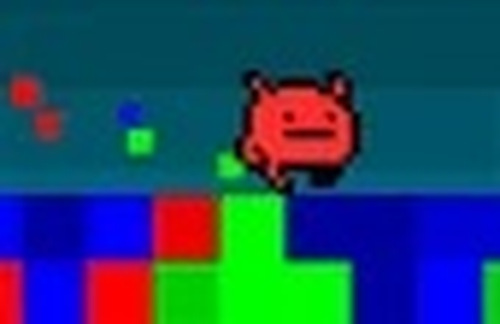
In Hue Dash Reflex, players guide a character through an endless corridor of segmented walls. Each wall segment displays a distinct color. The character automatically runs forward, and the player must change the character's color to match the upcoming wall. A correct match lets the character pass through; a mismatch ends the run. This simple yet demanding loop forms the heart of the experience, requiring constant attention and rapid adjustments.
Color Switching Mechanics
The game uses a three-color system, typically red, green, and blue. Players press corresponding keys to shift the character's hue. Mastering the timing of these switches is critical. As the runner approaches a wall, the player must anticipate the color and press the correct key. This creates a rhythm of observation and action, where split-second decisions determine success or failure. The interface is clean, showing the current color clearly.
Progressive Difficulty Curve
The challenge escalates naturally. Early runs start at a manageable pace, allowing players to learn the color-matching mechanic. As the run continues, the speed gradually increases, and wall segments may appear in quicker succession. This steady ramp-up ensures the game remains engaging without becoming frustrating too quickly. The difficulty is purely based on speed and reaction time, not on complex patterns or hidden mechanics.
Visual Design and Accessibility
The game features bright, distinct colors that are easy to differentiate. The background is kept simple to avoid visual clutter, ensuring the player's focus remains on the walls and the character. This clean design makes the game suitable for players of all ages, including those who may be new to action games. The color palette is chosen for clarity, not aesthetic complexity, which supports the core gameplay goal of quick color recognition.
Endless Replayability
Each run is unique because the sequence of wall colors is procedurally generated. No two attempts are the same, encouraging repeated play to beat personal high scores. The game does not include levels or checkpoints; the only goal is to run as far as possible. This straightforward objective, combined with the increasing speed, creates a compelling loop that invites players to try again after each failure. The focus is entirely on improving personal performance.






Comments
Sign in to leave a review
You must be logged in before posting a review or rating.
No account? Create one
No comments yet. Be the first to comment!