What players say
Pickman Model offers a relaxing narrative experience focused on art discovery. The environments are detailed and immersive, and the puzzles are simple yet satisfying. It is ideal for players who enjoy exploring stories without time pressure or intense action.
About this game
Game Introduction
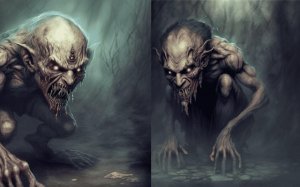
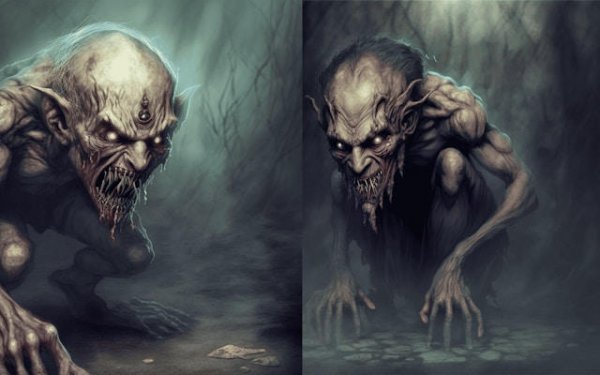
Pickman Model: Art Discovery Narrative Adventure is a story-driven exploration game centered on the life and work of the fictional artist Pickman. As an art researcher, you delve into locations tied to Pickman’s career, uncovering the stories behind his most famous pieces. The game emphasizes gentle discovery and narrative immersion rather than action or tension, making it suitable for players who enjoy thoughtful, low-pressure experiences. Its focus on art and personal history creates a unique atmosphere of creative wonder.
How to Play
Players explore beautifully crafted environments such as studios and galleries, interacting with objects to learn more about Pickman’s world. You examine paintings, read personal notes and journals, and find hidden keepsakes that gradually reveal the artist’s creative process and life story. Gameplay involves simple, logical puzzles that are directly tied to the narrative. There are no time limits or high-stakes challenges, allowing you to progress at your own pace and fully absorb the atmosphere.
Game Features
Rich narrative focused on art and discovery. Atmospheric exploration across multiple handcrafted locations. Gentle puzzles that integrate with the story. Family-friendly content suitable for all ages. Low-pressure gameplay with no time constraints. Hidden details and collectibles that deepen the lore.
Tips for Success
Take your time to examine every object and read all notes, as small details often contain important story clues. Approach puzzles with an open mind, and consider the context of the environment to find solutions. Revisit locations if you feel stuck, as new interactions may become available. Enjoy the journey rather than rushing to the end—the game’s rewards come from patient exploration and reflection.